
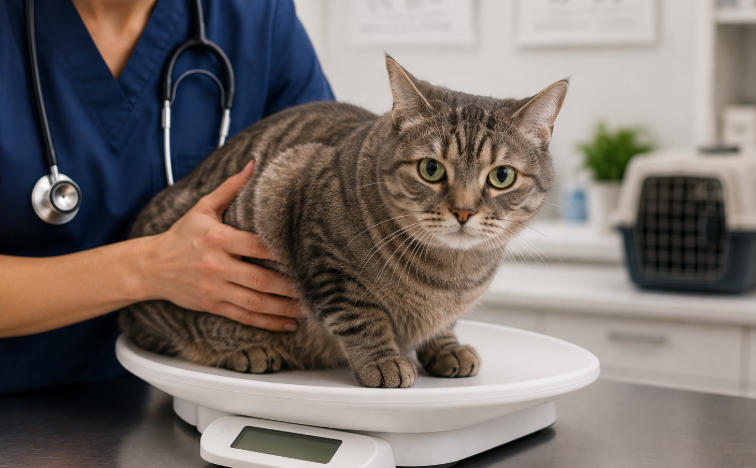
Many cat owners focus on feeding quality food, providing fresh water, and creating a comfortable home. However, one aspect of feline health often goes unnoticed until it becomes serious: body weight. Both weight gain and weight loss can signal underlying problems that deserve attention. While small fluctuations occasionally occur, persistent changes may indicate nutritional imbalances, lifestyle concerns, or medical conditions. Understanding Cat Weight Issues can help owners recognize warning signs early and determine when professional veterinary care becomes necessary.
Weight serves as one of the most important indicators of overall health. A healthy cat typically maintains a stable body condition throughout adulthood. Consequently, unexpected changes often reveal that something within the body is no longer functioning normally. Some cats gradually gain excess weight over several years, while others lose weight despite maintaining normal eating habits. In both situations, the cause deserves investigation.
Many owners assume that a few extra pounds are harmless or that mild weight loss simply reflects aging. Unfortunately, these assumptions can delay diagnosis and treatment. By understanding the risks associated with Cat Weight Issues, owners can take proactive steps that support long-term health and longevity.
Regular monitoring and early intervention remain essential because weight changes often provide the first clue that a deeper problem exists.
Why Maintaining A Healthy Weight Matters
Maintaining an appropriate body condition is essential because Cat Weight Issues affect nearly every aspect of feline health.
Excess weight places additional strain on joints, muscles, and internal organs. Over time, obesity may increase the risk of diabetes, arthritis, heart disease, and reduced mobility. Consequently, overweight cats often experience lower activity levels and decreased quality of life.
On the other hand, unexplained weight loss can indicate serious medical conditions. Chronic kidney disease, hyperthyroidism, diabetes, cancer, digestive disorders, and dental disease frequently contribute to weight reduction.
Healthy weight supports efficient movement, proper organ function, and overall well-being. Therefore, veterinarians routinely assess body condition during wellness examinations.
Weight changes rarely occur without a reason. Even subtle shifts may signal developing health concerns. Because of this connection, monitoring body condition remains one of the most valuable tools available to cat owners.
Understanding the importance of healthy weight helps owners appreciate why addressing Cat Weight Issues promptly is so important.
Signs Your Cat May Be Overweight
Many owners struggle to recognize obesity because weight gain often develops gradually. Consequently, Cat Weight Issues related to obesity may become significant before anyone notices.
An overweight cat may develop a rounded body shape with little visible waistline. The ribs become difficult to feel beneath excess fat, and abdominal fat deposits often increase noticeably.
Reduced activity frequently accompanies weight gain. Cats may spend more time resting and show less interest in play or exploration.
Jumping onto furniture may also become more difficult. Some cats hesitate before climbing or avoid elevated areas altogether.
Breathing changes occasionally occur as well. Excess body fat can increase physical effort during movement and activity.
Because gradual weight gain becomes easy to overlook, routine weigh-ins provide valuable information. Regular monitoring helps identify trends before obesity becomes severe.
Recognizing these signs allows owners to address Cat Weight Issues before serious complications develop.
Common Causes Of Weight Gain
Several factors contribute to Cat Weight Issues involving excess weight.
Overfeeding remains one of the most common causes. Even small calorie surpluses can lead to gradual weight gain over time. Consequently, portion control plays a critical role in weight management.
Treats may also contribute significantly. Many owners underestimate the calories contained in snacks and rewards.
Indoor lifestyles can reduce physical activity. Without opportunities for hunting, climbing, and exploration, calorie expenditure often decreases substantially.
Age-related changes may further affect metabolism. As cats grow older, they sometimes become less active and require fewer calories.
Certain medical conditions and medications can also influence weight gain. Therefore, veterinary evaluation becomes important whenever changes occur unexpectedly.
Understanding these contributing factors helps owners develop effective strategies for preventing and managing Cat Weight Issues.
A combination of nutrition, activity, and health monitoring often produces the best long-term results.
When Weight Loss Becomes Concerning
Although obesity receives significant attention, weight loss can be equally serious. In fact, many veterinarians consider unexplained weight loss one of the most important Cat Weight Issues requiring prompt investigation.
Cats should not lose weight rapidly without explanation. Even gradual weight reduction deserves attention when no dietary changes have occurred.
Weight loss accompanied by increased appetite often indicates metabolic disorders such as hyperthyroidism or diabetes. Conversely, weight loss combined with reduced appetite may signal dental disease, kidney problems, or gastrointestinal conditions.
Muscle loss around the spine and hips can also occur. Consequently, cats may appear thinner even when body fat remains present.
Older cats deserve particular attention because age-related diseases frequently affect weight. Early diagnosis often improves treatment outcomes significantly.
Any persistent or unexplained weight reduction warrants veterinary evaluation. Ignoring these changes may allow underlying conditions to progress unnecessarily.
Monitoring body condition closely helps owners identify Cat Weight Issues before they become advanced.
How Veterinarians Evaluate Weight Problems
When assessing Cat Weight Issues, veterinarians use several methods to identify potential causes.
A physical examination typically serves as the starting point. Veterinarians evaluate body condition, muscle mass, hydration status, and overall health.
Weight history provides valuable context. Patterns of gain or loss often help guide diagnostic decisions.
Blood tests frequently play an important role. These tests can reveal kidney disease, thyroid disorders, diabetes, infections, and other medical conditions.
Urinalysis may provide additional information regarding metabolic health and organ function.
In some cases, imaging studies such as X-rays or ultrasound examinations help identify internal abnormalities.
Comprehensive evaluation allows veterinarians to distinguish between lifestyle-related weight changes and underlying medical problems. Consequently, treatment plans become more accurate and effective.
Professional assessment remains essential because many causes of Cat Weight Issues cannot be identified through observation alone.
The Risks Of Ignoring Weight Changes
Ignoring Cat Weight Issues can have serious consequences for long-term health.
Obesity increases the likelihood of numerous chronic diseases. Diabetes, arthritis, urinary tract problems, and cardiovascular stress occur more frequently in overweight cats.
Excess weight may also reduce lifespan. Studies consistently associate obesity with lower life expectancy and decreased quality of life.
Unexplained weight loss presents equally significant risks. Conditions such as kidney disease, cancer, and hyperthyroidism often worsen when diagnosis is delayed.
Rapid weight loss can become particularly dangerous in cats. Severe calorie restriction may contribute to hepatic lipidosis, a potentially life-threatening liver condition.
Early intervention frequently improves outcomes and expands treatment options. Therefore, addressing weight concerns promptly remains one of the most effective ways to protect feline health.
Owners who monitor body condition regularly often detect Cat Weight Issues before major complications develop.
Preventing Weight Problems Through Healthy Habits
Preventing Cat Weight Issues often proves easier than correcting them later.
Portion control represents an important starting point. Measuring food accurately helps prevent accidental overfeeding.
High-quality nutrition supports healthy body condition while providing essential nutrients. Owners should select diets appropriate for age, activity level, and health status.
Regular exercise also plays a crucial role. Interactive toys, climbing structures, puzzle feeders, and play sessions encourage physical activity.
Routine weigh-ins provide valuable feedback. Monthly monitoring helps identify trends before significant changes occur.
Veterinary wellness examinations support prevention as well. These visits allow professionals to assess body condition and provide tailored recommendations.
Consistency remains important because small daily habits influence long-term outcomes. Consequently, healthy routines help reduce the likelihood of developing serious weight-related concerns.
Proactive management represents one of the most effective approaches to minimizing Cat Weight Issues.
When You Should Schedule A Veterinary Appointment
Certain situations require prompt veterinary attention for Cat Weight Issues.
Schedule an appointment if your cat gains weight despite controlled feeding and normal activity levels. Unexpected weight gain may indicate underlying health concerns.
Likewise, seek veterinary evaluation for unexplained weight loss, even when appetite appears normal.
Changes accompanied by vomiting, diarrhea, increased thirst, excessive hunger, reduced appetite, lethargy, or behavioral changes deserve immediate attention.
Senior cats should receive extra monitoring because age-related diseases often affect body condition.
Any rapid or dramatic change should be treated seriously. Early assessment often leads to faster diagnosis and more effective treatment.
When in doubt, consulting a veterinarian remains the safest choice. Professional guidance helps ensure that small concerns do not become major health problems.
Recognizing these warning signs allows owners to address Cat Weight Issues before complications develop.
Conclusion
Cat Weight Issues should never be dismissed as simple cosmetic concerns. Weight serves as a powerful indicator of overall health, and changes often signal underlying problems that deserve attention.
Whether a cat gains excess weight or loses weight unexpectedly, prompt action can make a significant difference. Obesity increases the risk of chronic diseases, while unexplained weight loss may reveal serious medical conditions requiring treatment.
Regular monitoring, proper nutrition, physical activity, and routine veterinary care all contribute to healthy weight management. Most importantly, owners should seek professional guidance whenever changes occur without an obvious explanation.
By recognizing the warning signs and responding early, cat owners can help protect their pets from preventable complications and support longer, healthier lives. Addressing Cat Weight Issues promptly remains one of the most effective ways to promote lifelong feline wellness.
FAQ
1. How can I tell if my cat is overweight?
You may notice a lack of visible waistline, difficulty feeling the ribs, and reduced activity levels.
2. Is sudden weight loss dangerous for cats?
Yes. Rapid or unexplained weight loss may indicate serious medical conditions and requires veterinary evaluation.
3. How often should I weigh my cat?
Monthly weight checks can help identify changes before they become significant.
4. Can indoor cats develop obesity more easily?
Yes. Indoor lifestyles often involve less physical activity, which may increase the risk of weight gain.
5. When should I contact a veterinarian about body condition changes?
Seek veterinary advice whenever weight changes occur unexpectedly or persist despite dietary and lifestyle adjustments.


